
Fleet Assist CV Show discussion.
 Recruiting and retaining employees in the automotive industry has been recognised as an ongoing challenge for employers for a number of years.
As of 2025, over 850,000 people were employed in the automotive manufacturing, retail, and supply chain, which accounts for roughly 2.3% of all UK jobs.
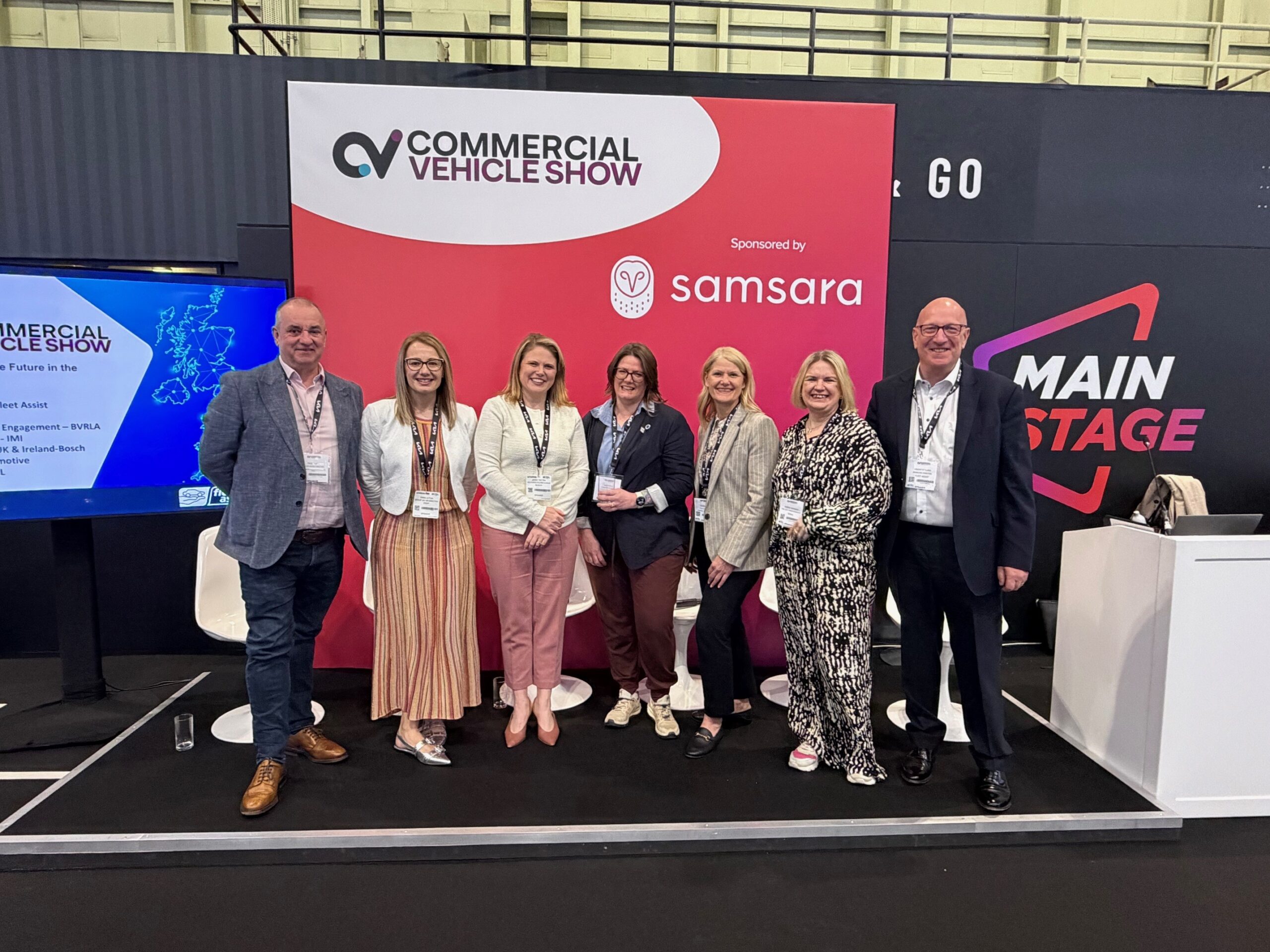
And while many believe the automotive sector has been surpassed by others over the past two decades for attracting and retaining top class talent, Fleet Assist assembled a talented group of people leaders chaired by Vincent St Claire, Fleet Assist’s MD at the CV Show on how to put the sector back on the map again.
Fleet Assist was proud to bring together the panel of experts and chair the meeting and tease out of the panel’s views and directing questions from the audience to the panel such as how the industry is addressing equal opportunities for primary care providers.
Emma Ayton, group HR director at ZIGUP, Jenny Patten head of business development at Bosch UK & Ireland, Amanda Brandon BVRLA’s director of membership engagement, Hayley Pells government affairs lead at The Institute of the Motor Industry, Paul Binks, group people director at EUROPEAN TYRE ENTERPRISE LIMITED and Debbie Fox co-owner of Fortell Automotive discussed several practical solutions to give recruitment and retention in the automotive sector a boost.
Paul started life on the shop floor and is now people director for Kwik Fit, the UK’s largest fast fit organisation. Not surprisingly he promotes a strong connection between schools and employers so when it comes to work experience, whatever the pupil’s background they get a chance to spend time in a business to start making a practical connection with the work environment as early as possible. He also believes neuro diversity should be considered in a workplace with work rounds introduced when a talented technician isn’t as confident at writing words down as repairing a car.
Hayley made the comment that red tape can still be an issue for the Government and by the time new technology training initiatives are developed and launched often the industry has moved onto the next big thing. New initiatives need to be created and rolled out with schools and colleges much more quickly. This coincides with brand new technologies being introduced that are bringing with them new automotive jobs and careers that previously may never have existed before.
Emma cannot underestimate the value of mentors for those that are already in a business. Not only does a mentor scheme help the talent grow in experience and confidence when delivered well those that are being mentored will unconsciously start mentoring colleagues further down the chain. This is particularly relevant in the workshop environment with experienced technicians being encouraged to share their skills with younger team members as part of an early careers programme.
Amanda works for the BVRLA and believes however established a business is there should always be an outlet for colleagues to put forward new ideas to help it improve the way it operates. Working in a 50/50 split male/female environment she believes that employers should take diversity out of their recruitment process and instead should be laser focussed on the business objective and what type of skills they need to bring into a business.
Jenny has been actively encouraged to take on new roles during her time with Bosch. She believes that wherever possible matching an employee’s passion as part of their current or future role is likely to mean they stay with the business much longer. Also, by encouraging colleagues to be accountable in a bigger organisation help them understand where their role fits into the bigger picture and how their actions can impact on other parts of the business.
Debbie has worked for a variety of companies and some of the most successful have had a very strong culture. This means encouraging employees to ask questions, being curious and if they do make mistakes treat these as part of the learning experience. She is a firm believer in recruiting the right person for the job which has involved unintentionally employing more women than men during her career in an industry that is still very male dominated.
Panel discussion take aways.
- Share real life workplace case studies both internally and externally to help put roles into perspective for younger people.
- Put the professional development plan at the heart of a person’s career rather than treating it as a tick box exercise.
- Be more mindful of fine-tuning roles for working parents – both male and female – to retain their expertise within a business and support their back to work strategy.
- Encourage the Government to speed up the introduction of new technology training initiatives for local colleges and apprenticeship roles.
- Work with neuro diversity rather than against it to ensure you retain valuable staff.
